
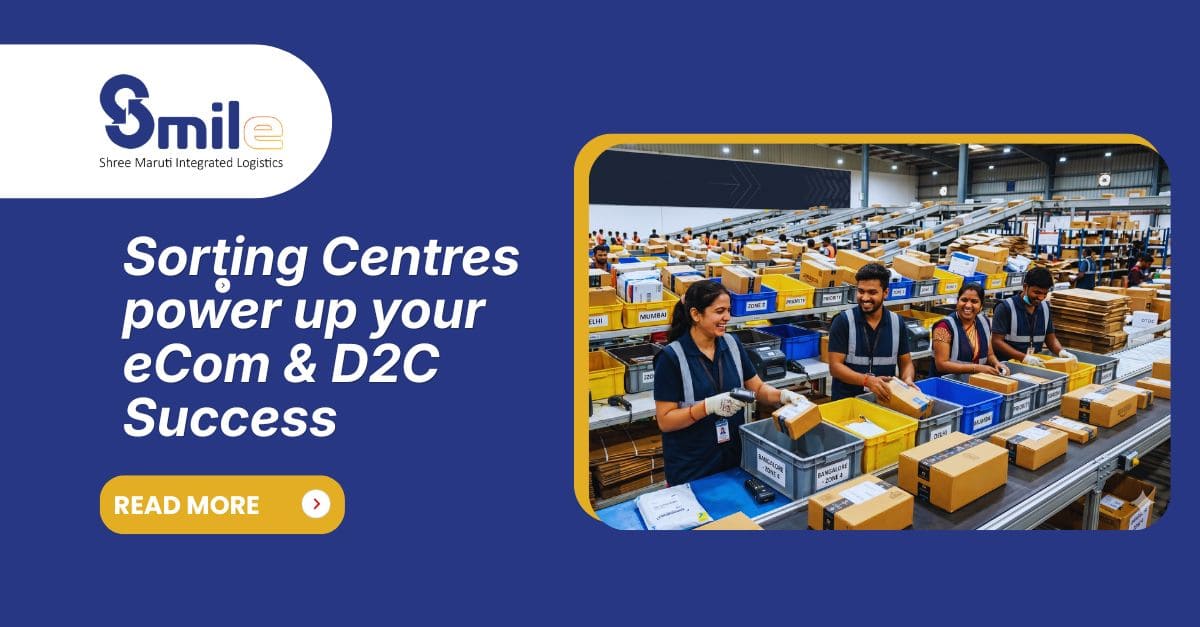
In the hyper-competitive e-commerce and Direct-to-Consumer (D2C) landscape, delivery speed and order accuracy dictate customer loyalty. While marketing and checkout experiences grab the spotlight, fulfilment operations behind the scenes truly power a brand’s growth. Specifically, choosing the right sorting centre partner serves as the critical step between receiving inventory and shipping it out efficiently.
Understanding the Role of a Sorting Centre in E-commerce
For high-volume brands processing thousands of parcels daily, internal logistics quickly become an operational bottleneck. Mismanaged sortation leads to misrouted packages, missed carrier cut-offs, and ballooning fulfilment expenses. To scale seamlessly, outsourcing to a specialised third-party sorting centre is no longer a luxury; it is a strategic necessity.
Here is an expert guide to choosing an efficient 3rd-party sorting centre partner capable of handling high-volume e-commerce and D2C parcel streams.
1. Evaluate Technical Prowess and Automated Sorting Centres
When dealing with massive volume, manual sorting is a recipe for high error rates and severe operational delays. An efficient sorting centre relies heavily on a tech-driven ecosystem. When auditing a vendor’s facility, look for advanced automation infrastructure:
Automated Conveyor Belts and Sorters: Ensure the facility utilises high-speed sorting systems, such as cross-belt or tilt-tray sorters. These machines automatically distribute and guide parcels along different conveyor tracks based on weight, size, or destination zip codes.
Advanced Scanning Systems: The facility must employ high-speed barcode and Radio Frequency Identification (RFID) scanning systems. This ensures that the moment a package is inducted, it is instantly tracked, identified, and routed without human error.
AI and Machine Learning: Top-tier hubs leverage AI-backed sorting to make real-time decisions regarding routing optimisation, anticipating peak intervals, and adjusting sorting algorithms dynamically.
2. Assess Geographic Network and Regional Sorting Centres
An efficient sorting centre should do more than just push boxes; it should strategically reduce your total logistics spend. Ask prospective vendors how they leverage their infrastructure to minimise transit times and cut down carrier fees.
A premier vendor should operate strategically placed regional sort centers that unlock zone skipping.
What is Zone Skipping for Sorting Centre? Instead of handing individual parcels to a national carrier at zone 1 and paying exorbitant fees to ship it to zone 7, the centralised hub consolidates high volumes of packages heading to the same region.
They route them via full truckloads directly to a regional destination hub closer to the end consumer. This strategic routing circumvents mid-transit carrier sorting, dramatically slashing delivery times and shipping costs.
3. Analyse Peak Season Scalability and Order Cycle Time of Sorting Centre
High-volume e-commerce is highly cyclical. A vendor that performs flawlessly in Q2 might completely collapse under Q4 holiday surges. During peak seasons, parcel volume can overflow standard capacity, triggering massive logistical delays and lost packages.
Your 3rd-party sorting centre must feature a robust hybrid sorting solution. While they should use automation for high-volume, repetitive tasks, they must also maintain an agile, cross-trained manual workforce to handle exceptions, irregularly shaped packages, or sudden spikes in volume.
Critical KPIs to Request:
Inquire about their historical performance data during peak periods:
Order Cycle Time: What is their average turnaround time from induction to carrier handover during peak?Sorting Accuracy Rate: Do they maintain an accuracy rate above 99.9% when volumes double?

4. Verify End-to-End Visibility and Data Integration for Sorting Centre
A logistics hub shouldn’t be a black box. For high-volume D2C brands, data synchronisation is paramount. The vendor’s Sorting Management System or Warehouse Management System (WMS) must seamlessly integrate with your e-commerce platform via advanced APIs.
This integration guarantees:
Real-time Inventory Control for Sorting Centre: Immediate updates to your system as inventory moves through inbound sorting, storage, and outbound sorting.
Smart Tracking for Customers: IoT-enabled tracking that sends instant updates to your consumers the moment a package clears the final sorting loop.
5. Robust Quality Checks and Inbound Sorting Protocols
High-volume parcel streams naturally include anomalies: fragile items, apparel requiring specific orientation, or temperature-sensitive goods.
Ensure the sorting centre integrates stringent quality verification steps into their workflow. They must possess dedicated setups to flag, pull, and address mislabeled or damaged packages immediately. If an item is compromised during transit from your manufacturing plant to their hub, it must be caught during inbound sorting, protecting your brand reputation before the parcel ever reaches the customer’s doorstep.
Transform Your Fulfilment Into a Competitive Weapon
Choosing a 3rd-party sorting centre is one of the most critical operational choices an e-commerce brand can make. By prioritising automation, geographic network advantages like zone skipping, scalable hybrid workflows, and deep data integration, you transform your supply chain into a competitive weapon. Partner with a logistics expert who treats sortation as the heartbeat of fulfilment, and watch your brand scale seamlessly.
For any query, please sign up: https://shreemaruti.com/contact-us/